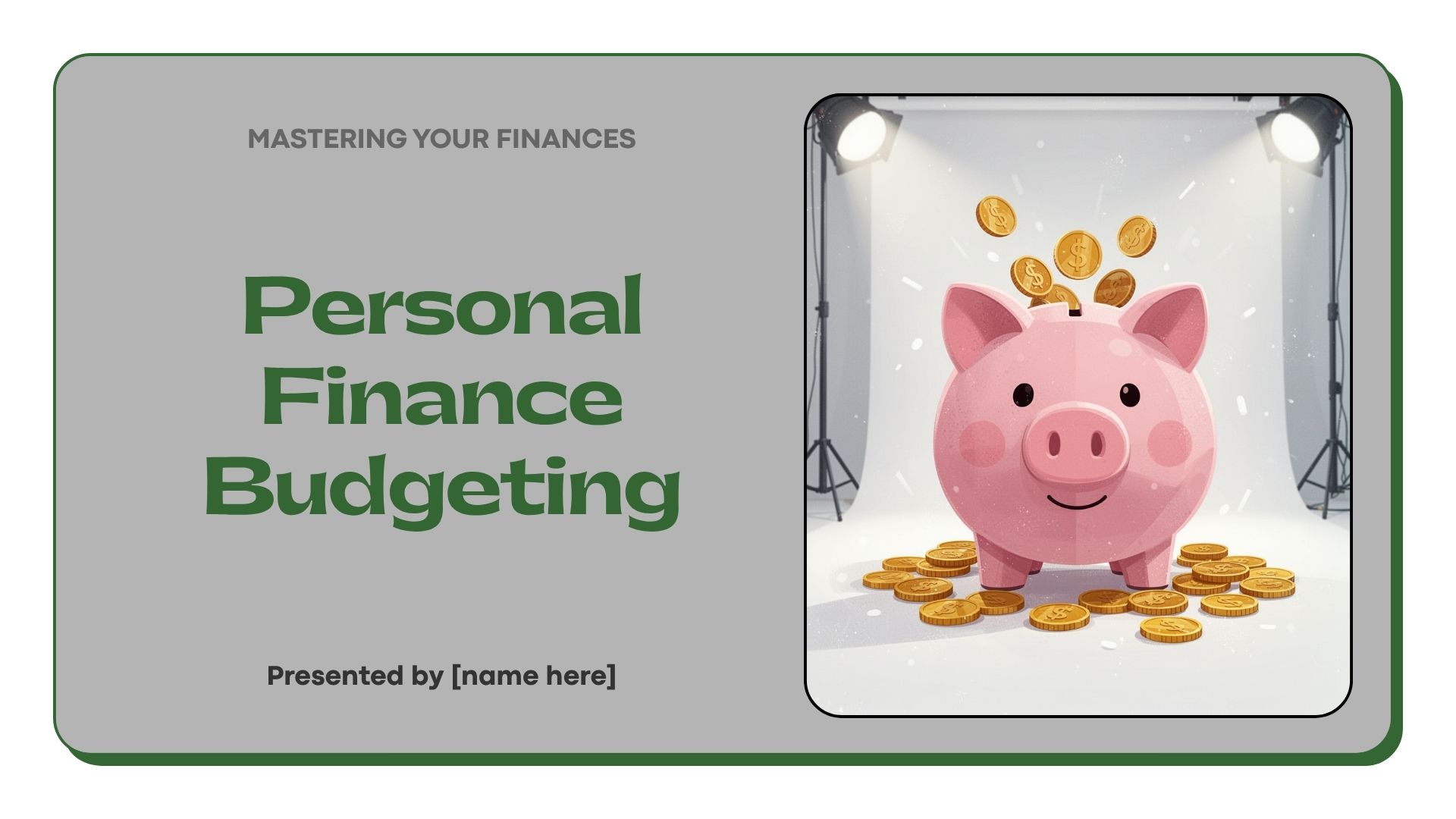

Creating a personal finance budget is one of the most effective ways to take control of your money, reduce stress, and achieve your financial goals. Whether you’re saving for a big purchase, paying off debt, or simply trying to manage your daily expenses, a well-structured budget can guide your decisions and improve your financial health.
Why a Personal Budget Matters
A personal budget helps you understand where your money goes each month. Without a clear plan, it’s easy to overspend or lose track of expenses. Budgeting allows you to:
- Track income and expenses
- Identify unnecessary spending
- Save for future goals
- Avoid debt or reduce existing debt
By knowing exactly how much money you have and how you use it, you can make smarter financial choices.
Step-by-Step Guide to Creating a Budget
1. Calculate Your Total Income
Start by determining how much money you earn each month. Include all sources of income such as salary, freelance work, or side hustles. Use your net income (after taxes) for a more accurate picture.
2. List All Your Expenses
Divide your expenses into two categories:
- Fixed expenses: Rent, utilities, insurance, loan payments
- Variable expenses: Food, entertainment, transportation, shopping
Tracking your spending for at least a month can help you identify patterns and ensure nothing is missed.
3. Set Financial Goals
Define what you want to achieve with your budget. Goals can be short-term (saving for a trip) or long-term (buying a house or retirement). Having clear goals will motivate you to stick to your plan.
4. Create Spending Categories
Organize your expenses into categories and assign a spending limit to each. A popular method is the 50/30/20 rule:
- 50% for needs
- 30% for wants
- 20% for savings and debt repayment
Adjust these percentages based on your personal situation.
5. Compare Income vs. Expenses
Subtract your total expenses from your income. If you’re spending more than you earn, you’ll need to cut back in certain areas. Look for non-essential expenses that can be reduced or eliminated.
Tips for Sticking to Your Budget
Track Your Spending Regularly
Consistency is key. Use apps, spreadsheets, or even a notebook to monitor your expenses. This helps you stay accountable and make adjustments when needed.
Build an Emergency Fund
Unexpected expenses can disrupt your budget. Aim to save at least three to six months’ worth of living expenses to protect yourself from financial surprises.
Review and Adjust Monthly
Your financial situation may change over time. Review your budget every month and make necessary adjustments to keep it realistic and effective.
Common Budgeting Mistakes to Avoid
- Ignoring small expenses: Small purchases add up quickly
- Setting unrealistic limits: Be practical with your spending categories
- Not tracking regularly: A budget only works if you use it consistently
Conclusion
Creating a personal finance budget doesn’t have to be complicated. By understanding your income, tracking your expenses, and setting clear goals, you can build a budget that works for you. Over time, this simple habit can lead to greater financial stability, reduced stress, and a more secure future.








1 comment
Hi, this is a comment.
To get started with moderating, editing, and deleting comments, please visit the Comments screen in the dashboard.
Commenter avatars come from Gravatar.