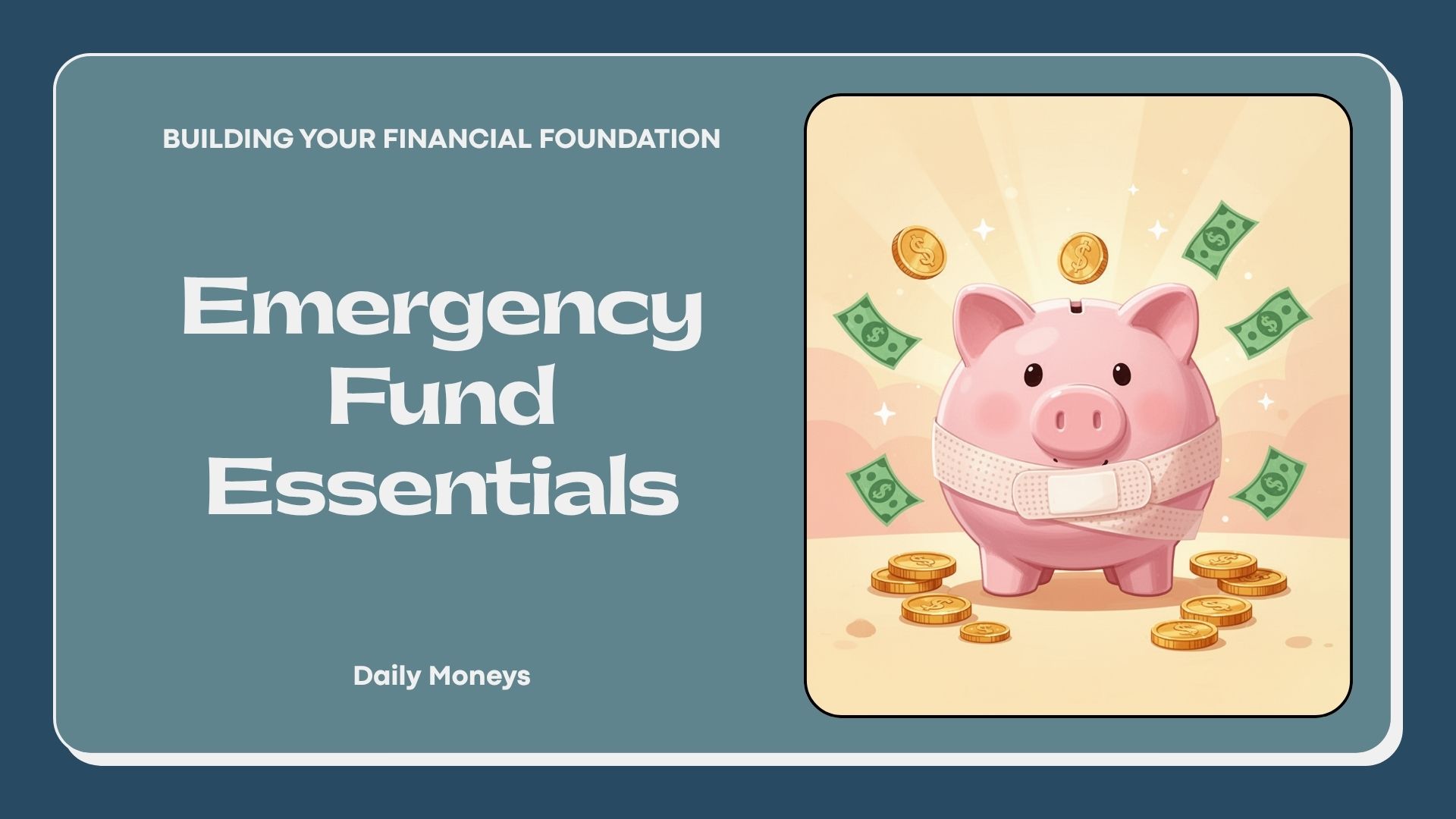

An emergency fund is a financial safety net that protects you from unexpected expenses such as medical bills, car repairs, or job loss. Building an emergency fund is one of the most important steps in achieving financial stability. With the right plan and consistency, anyone can create a reliable cushion for life’s uncertainties.
Why an Emergency Fund Is Essential
Life is unpredictable, and financial emergencies can happen at any time. Without savings, you may be forced to rely on credit cards or loans, which can lead to debt. An emergency fund helps you:
- Handle unexpected expenses with confidence
- Avoid high-interest debt
- Reduce financial stress
- Maintain stability during income loss
Having this safety net gives you peace of mind and greater control over your finances.
How Much Should You Save?
Set a Realistic Goal
A common recommendation is to save three to six months’ worth of living expenses. However, if that feels overwhelming, start with a smaller goal, such as $500 or $1,000. The key is to build gradually.
Consider Your Lifestyle
Your ideal emergency fund depends on your situation. If you have a stable job, you may need less. If your income is unpredictable, aim for a larger fund to stay secure.
Step-by-Step Guide to Building an Emergency Fund
1. Start Small and Stay Consistent
Begin by saving a small amount regularly. Even setting aside a little money each week can add up over time. Consistency matters more than the amount.
2. Create a Separate Savings Account
Keep your emergency fund in a separate account to avoid spending it accidentally. Choose an account that is easy to access but not linked to your daily spending.
3. Automate Your Savings
Set up automatic transfers from your main account to your emergency fund. This ensures you save regularly without having to think about it.
Smart Strategies to Grow Your Fund Faster
Cut Unnecessary Expenses
Review your spending habits and identify areas where you can reduce costs. Redirect this money into your emergency savings.
Increase Your Income
Consider taking on a side job or freelance work to boost your savings rate. Extra income can significantly speed up your progress.
Save Windfalls
Use unexpected money such as bonuses, gifts, or tax refunds to grow your emergency fund quickly.
Common Mistakes to Avoid
Using the Fund for Non-Emergencies
Only use your emergency fund for true emergencies. Avoid dipping into it for regular expenses or wants.
Keeping It Too Accessible
While your fund should be accessible, keeping it in your everyday account may tempt you to spend it. A separate account helps maintain discipline.
Not Replenishing After Use
If you use your emergency fund, make it a priority to rebuild it as soon as possible.
Tips to Stay Motivated
Track Your Progress
Watching your savings grow can be motivating. Set milestones and celebrate small achievements along the way.
Keep Your Goal in Mind
Remember why you are building the fund—to protect yourself and your future. This can help you stay focused.
Stay Patient
Building an emergency fund takes time, but every small step brings you closer to financial security.
Conclusion
Building an emergency fund is a crucial part of personal finance. By starting small, staying consistent, and making smart financial choices, you can create a strong financial safety net. With patience and discipline, your emergency fund will provide peace of mind and protect you from unexpected challenges.