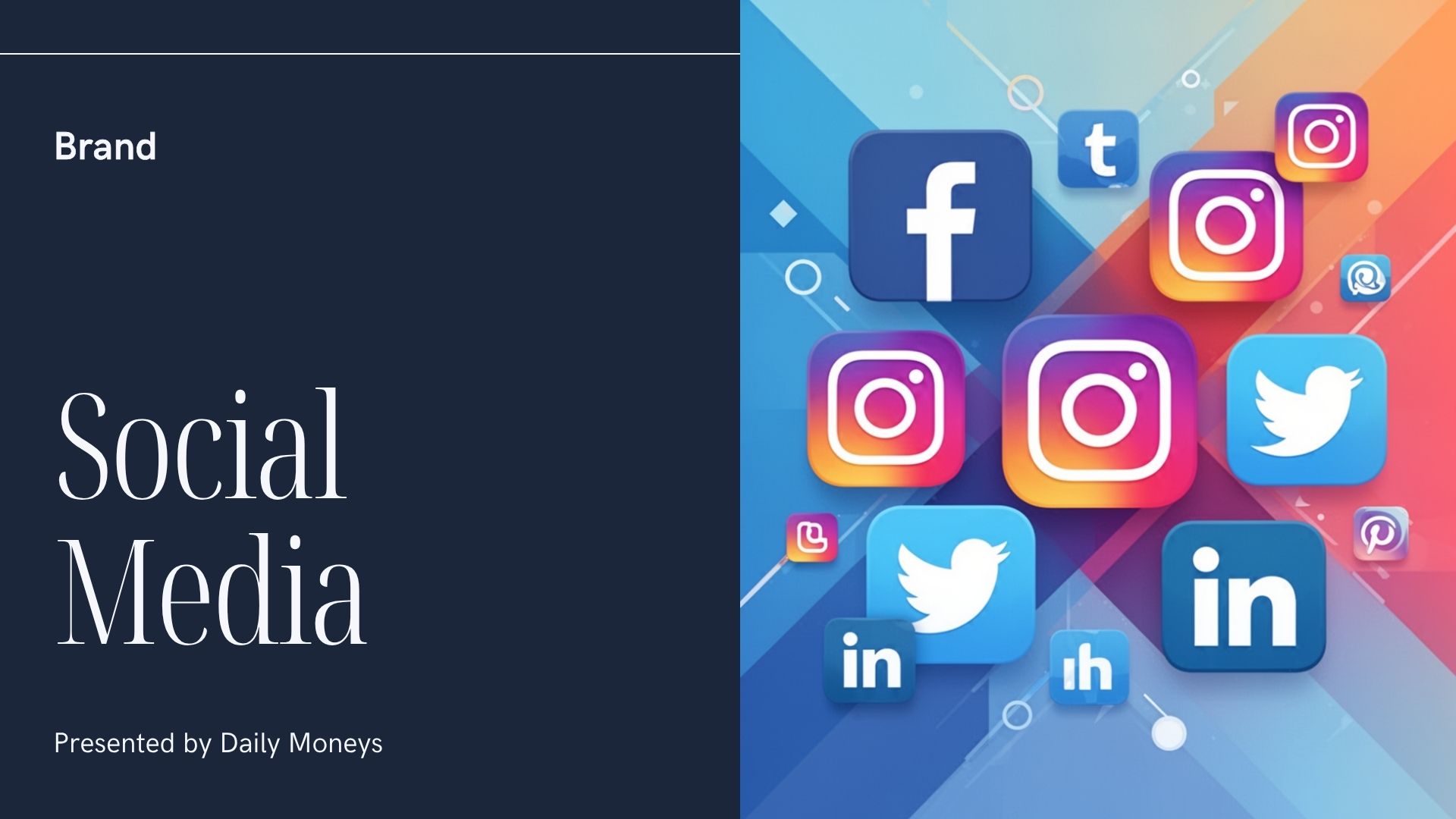
Social media has become one of the most powerful tools for marketing in today’s digital world. With billions of users across platforms, businesses have the opportunity to connect directly with their audience, build brand awareness, and drive sales. However, using social media effectively requires strategy, consistency, and creativity.
Why Social Media Marketing Matters
Social media marketing allows businesses to reach a large and targeted audience at a relatively low cost. It also provides a platform for real-time interaction with customers. Key benefits include:
- Increased brand visibility
- Direct engagement with customers
- Cost-effective advertising
- Improved customer loyalty
When used correctly, social media can significantly boost your marketing efforts.
Choosing the Right Platforms
Understand Your Audience
Different social media platforms attract different types of users. Identify where your target audience spends most of their time. For example:
- Instagram and TikTok for younger audiences
- Facebook for a broader demographic
- LinkedIn for professional networking
Focusing on the right platform ensures better results.
Focus on Quality Over Quantity
It’s better to perform well on a few platforms than to spread yourself too thin. Choose platforms that align with your goals and audience.
Creating an Effective Social Media Strategy
Set Clear Goals
Define what you want to achieve through social media marketing. Your goals may include increasing followers, driving website traffic, or boosting sales.
Develop a Content Plan
Plan your content in advance to maintain consistency. Include a mix of:
- Educational posts
- Entertaining content
- Promotional material
A balanced content strategy keeps your audience engaged.
Maintain Consistent Branding
Use consistent colors, tone, and messaging across all platforms. This helps build brand recognition and trust.
Engaging Your Audience
Post Regularly
Consistency is key to staying relevant. Create a posting schedule and stick to it to keep your audience engaged.
Interact with Followers
Respond to comments, messages, and feedback. Engaging with your audience builds stronger relationships and increases loyalty.
Use Visual Content
Images, videos, and infographics perform better than text-only posts. Visual content captures attention and encourages interaction.
Leveraging Paid Advertising
Target the Right Audience
Social media platforms offer advanced targeting options. Use these tools to reach users based on their interests, behavior, and demographics.
Monitor Ad Performance
Track the performance of your ads to see what works best. Adjust your campaigns based on data to improve results.
Measuring Success
Track Key Metrics
Monitor metrics such as engagement rate, reach, clicks, and conversions. These indicators help you evaluate the effectiveness of your strategy.
Use Analytics Tools
Most social media platforms provide built-in analytics. Use these tools to gain insights and refine your approach.
Common Mistakes to Avoid
- Posting inconsistently
- Ignoring audience engagement
- Over-promoting products
- Not analyzing performance
Avoiding these mistakes can improve your results significantly.
Tips for Long-Term Success
Stay Updated with Trends
Social media trends change quickly. Keep up with new features, formats, and user behavior to stay relevant.
Be Authentic
Authenticity builds trust. Share genuine content that reflects your brand’s values and personality.
Experiment and Improve
Test different types of content and strategies to see what works best. Continuously improve your approach based on results.
Conclusion
Using social media for marketing effectively requires a clear strategy, consistent effort, and ongoing optimization. By understanding your audience, creating engaging content, and leveraging analytics, you can build a strong online presence and achieve your marketing goals. Stay adaptable and committed to making the most of social media’s potential.