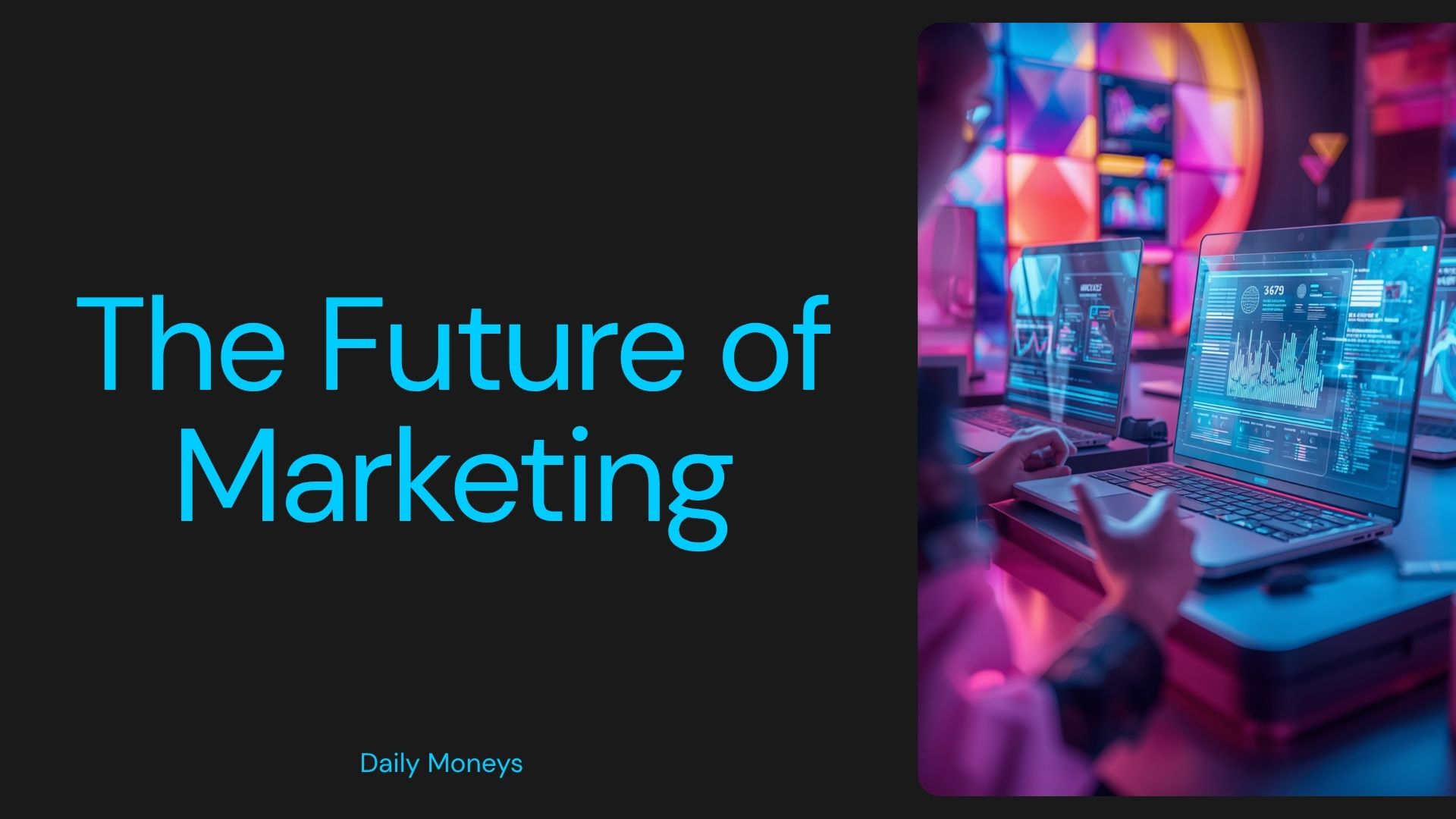

Marketing is evolving faster than ever, driven by technology, data, and changing consumer behavior. Businesses that fail to adapt risk falling behind, while those that embrace new trends can gain a competitive advantage. Understanding the future of marketing is essential for staying relevant and achieving long-term success.
Why the Future of Marketing Matters
The way consumers interact with brands has changed dramatically. Today’s customers expect personalized, fast, and engaging experiences across multiple channels. Keeping up with marketing trends helps you:
- Reach your audience more effectively
- Improve customer engagement
- Increase brand loyalty
- Stay ahead of competitors
Adapting to these changes ensures your marketing efforts remain impactful.
Key Trends Shaping the Future of Marketing
1. Personalization at Scale
Personalization is becoming a core part of marketing strategies. Businesses are using data to deliver tailored content, recommendations, and offers. Customers are more likely to engage with brands that understand their preferences.
2. Rise of Artificial Intelligence (AI)
AI is transforming how marketers analyze data, automate tasks, and create content. From chatbots to predictive analytics, AI helps businesses make smarter decisions and improve efficiency.
3. Growth of Video Marketing
Video content continues to dominate digital platforms. Short-form videos, live streaming, and interactive content are highly engaging and effective for capturing attention.
Emerging Marketing Innovations
Voice Search Optimization
With the increasing use of voice assistants, optimizing content for voice search is becoming important. Businesses need to focus on conversational keywords and natural language.
Influencer Marketing Evolution
Influencer marketing is shifting toward authenticity. Micro-influencers with smaller but highly engaged audiences are becoming more valuable than large-scale influencers.
Omnichannel Marketing
Customers interact with brands across multiple platforms. Omnichannel marketing ensures a seamless and consistent experience across all touchpoints, from social media to websites and email.
Data and Privacy Considerations
Increased Focus on Data Privacy
Consumers are becoming more aware of how their data is used. Businesses must prioritize transparency and comply with data protection regulations to build trust.
First-Party Data Strategies
With changes in data tracking, companies are focusing on collecting their own data directly from customers. This helps create more accurate and reliable marketing strategies.
How to Prepare for the Future
Embrace Technology
Adopt new tools and platforms that enhance your marketing efforts. Technology can improve efficiency and provide valuable insights.
Focus on Customer Experience
Delivering a positive and seamless customer experience is key to building loyalty and trust.
Stay Agile
Marketing trends change quickly. Being flexible and ready to adapt will help you stay competitive.
Common Mistakes to Avoid
- Ignoring new technologies
- Overlooking customer needs
- Failing to adapt to trends
- Neglecting data privacy
Avoiding these mistakes ensures your marketing remains effective.
Tips for Long-Term Success
Keep Learning
Stay informed about the latest trends and innovations in marketing.
Experiment and Innovate
Test new ideas and strategies to find what works best for your business.
Build Strong Relationships
Focus on creating meaningful connections with your audience to foster loyalty.
Conclusion
The future of marketing is shaped by innovation, technology, and evolving consumer expectations. By understanding and embracing key trends like personalization, AI, and omnichannel strategies, businesses can stay ahead in a competitive landscape. Stay adaptable, focus on your audience, and continue evolving to achieve long-term marketing success.