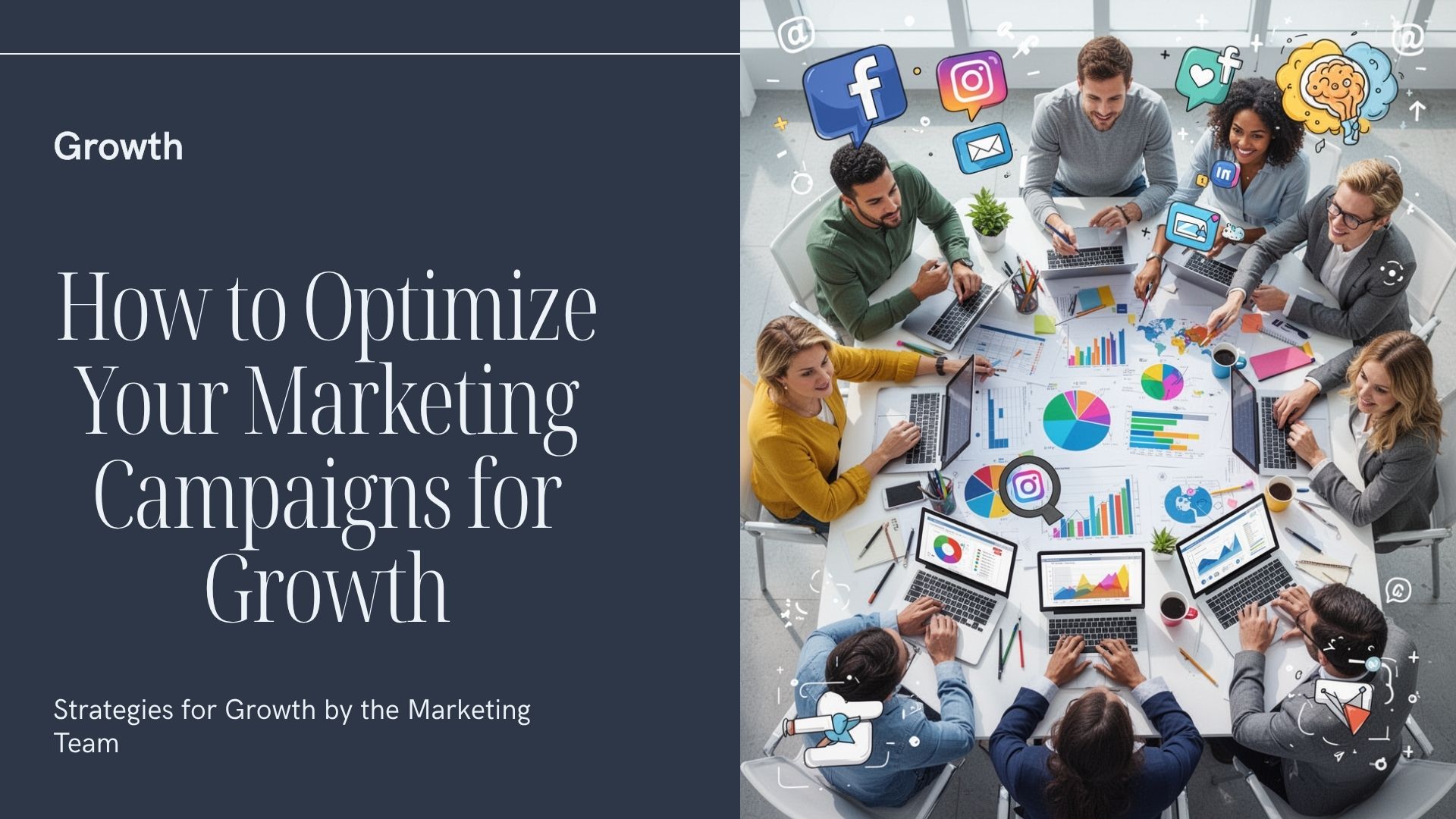

Optimizing your marketing campaigns is essential for achieving sustainable business growth. Instead of simply launching campaigns and hoping for results, optimization focuses on improving performance through data, testing, and strategic adjustments. With the right approach, you can maximize your return on investment (ROI) and reach your target audience more effectively.
Why Marketing Optimization Matters
Marketing optimization ensures that your efforts are efficient and impactful. Without optimization, you may waste time and resources on strategies that don’t deliver results. By refining your campaigns, you can:
- Increase conversion rates
- Improve audience targeting
- Reduce marketing costs
- Boost overall performance
Optimization helps you get the most value from every campaign.
Key Steps to Optimize Your Marketing Campaigns
1. Set Clear and Measurable Goals
Start by defining what success looks like for your campaign. Your goals could include increasing website traffic, generating leads, or improving sales. Make sure your goals are specific, measurable, and aligned with your business objectives.
2. Understand Your Target Audience
Effective campaigns are built around a deep understanding of your audience. Analyze their demographics, preferences, and behavior. This allows you to create personalized messages that resonate and drive engagement.
3. Choose the Right Channels
Not all marketing channels deliver the same results. Focus on platforms where your audience is most active, such as social media, email, or search engines. Prioritizing the right channels improves efficiency and effectiveness.
Strategies to Improve Campaign Performance
Use Data-Driven Insights
Analyze data from your campaigns to identify what’s working and what isn’t. Metrics such as click-through rates, conversions, and engagement provide valuable insights for improvement.
A/B Testing
A/B testing involves comparing two versions of a campaign element, such as headlines or images, to see which performs better. This helps you make informed decisions based on real results.
Optimize Content Quality
High-quality content is key to attracting and retaining your audience. Ensure your content is relevant, engaging, and valuable. Strong messaging can significantly improve campaign performance.
Enhancing Conversion Rates
Improve Landing Pages
Your landing pages should be clear, user-friendly, and optimized for conversions. Use strong calls-to-action (CTAs), simple designs, and fast loading times to enhance user experience.
Personalize User Experience
Personalization increases engagement by delivering content tailored to individual preferences. Use customer data to create targeted campaigns that speak directly to your audience.
Retarget Your Audience
Retargeting helps you reach users who have already interacted with your brand. This increases the chances of conversion by reminding them of your products or services.
Common Mistakes to Avoid
- Not tracking campaign performance
- Ignoring audience feedback
- Overcomplicating your strategy
- Failing to test and adapt
Avoiding these mistakes can significantly improve your results.
Tips for Long-Term Growth
Monitor Performance Regularly
Consistent monitoring allows you to identify trends and make timely adjustments.
Stay Updated with Trends
Marketing trends evolve quickly. Keep learning and adapting to stay competitive.
Focus on Continuous Improvement
Optimization is an ongoing process. Always look for ways to refine and enhance your campaigns.
Conclusion
Optimizing your marketing campaigns is essential for driving growth and achieving long-term success. By setting clear goals, using data-driven strategies, and continuously improving your approach, you can maximize your results and stay ahead in a competitive market. Focus on learning, testing, and adapting to unlock the full potential of your marketing efforts.