
Introduction
In today’s competitive marketplace, successful marketing is more than promoting products or services—it’s about creating meaningful connections with customers. Whether you run a startup, a small business, or a large company, having a well-planned marketing strategy is essential for sustainable growth. Effective marketing helps build brand awareness, attract qualified leads, increase customer loyalty, and boost sales. By understanding your audience and using the right mix of marketing channels, your business can achieve long-term success. This guide explores practical marketing strategies that every business can implement to stay ahead of the competition.
Why Marketing Matters
Building a Strong Business Foundation
Marketing is the bridge between your business and your customers. Without a clear marketing strategy, even the best products or services may struggle to reach the right audience. Effective marketing builds trust, communicates value, and positions your brand as a reliable solution to customer needs.
Businesses that invest in consistent marketing efforts are better equipped to adapt to changing market trends and maintain a competitive advantage.
1. Understand Your Target Audience
Know Who You’re Serving
The foundation of every successful marketing campaign is understanding your ideal customer. Research your audience’s demographics, interests, buying habits, and challenges. Creating detailed customer personas helps you tailor your messaging and deliver content that resonates with potential buyers.
When you understand your audience, your marketing becomes more personalized and significantly more effective.
2. Build a Strong Brand Identity
Create a Memorable Brand
A recognizable brand helps customers remember and trust your business. Develop a consistent logo, color palette, brand voice, and messaging across all marketing channels.
Strong branding communicates professionalism, builds credibility, and differentiates your business from competitors in crowded markets.
3. Invest in Content Marketing
Educate and Engage Your Audience
Content marketing is one of the most effective ways to attract and retain customers. Publish valuable blog posts, videos, guides, infographics, and case studies that answer common customer questions and solve real problems.
High-quality content improves search engine rankings, builds authority, and encourages visitors to return to your website.
4. Leverage Social Media Marketing
Connect with Customers Daily
Social media platforms provide businesses with opportunities to engage directly with their audience. Share informative content, respond to customer comments, and showcase your products through images, videos, and live sessions.
Consistent social media activity strengthens customer relationships and increases brand visibility.
5. Optimize for Search Engines (SEO)
Increase Organic Website Traffic
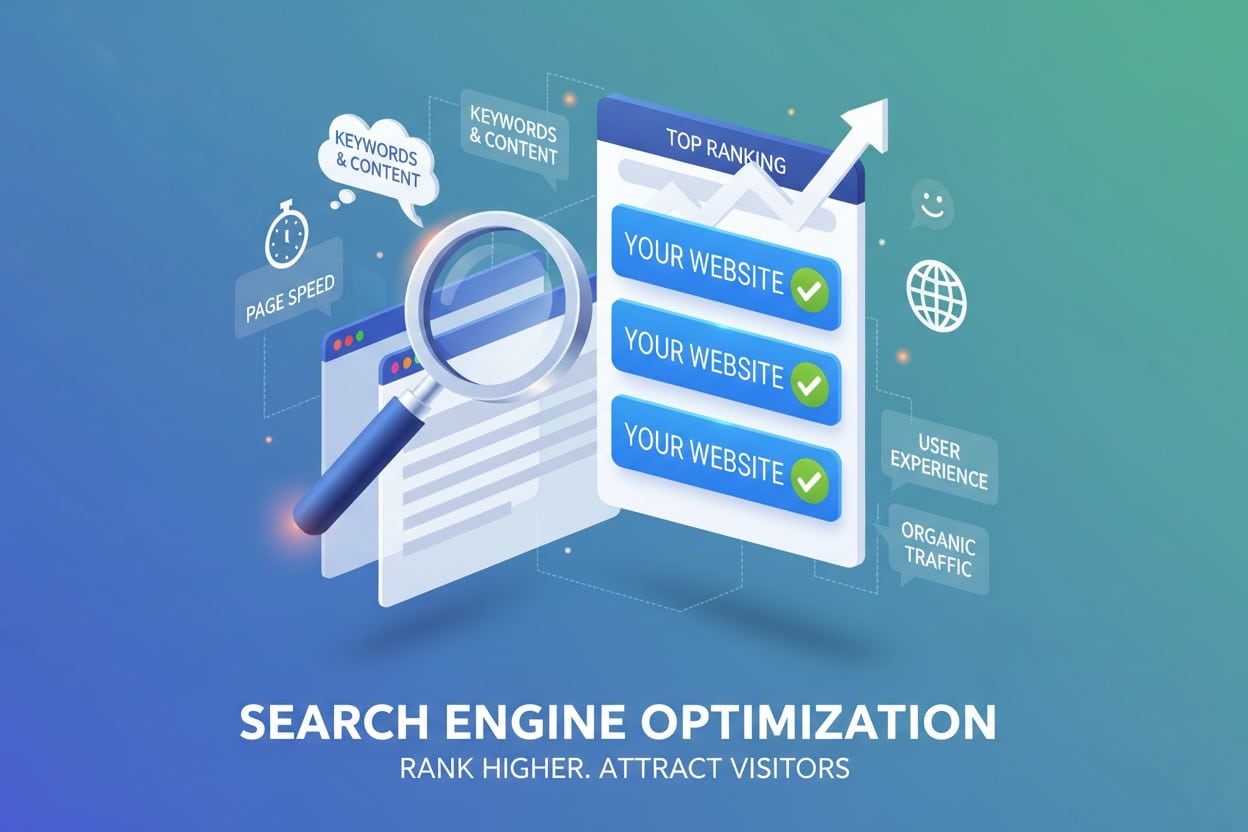
Search Engine Optimization (SEO) helps your website rank higher on search engine results pages. Use relevant keywords, create informative content, optimize page speed, and improve user experience to attract more organic visitors.
A strong SEO strategy generates long-term traffic and reduces dependence on paid advertising.
6. Measure Marketing Performance
Make Data-Driven Decisions
Successful marketing requires continuous improvement. Track important metrics such as website traffic, conversion rates, email open rates, and customer acquisition costs.
Analyzing marketing performance allows you to identify successful strategies, eliminate ineffective campaigns, and maximize your return on investment.
Benefits of a Smart Marketing Strategy
Achieve Sustainable Business Growth
An effective marketing strategy provides several long-term benefits:
- Increased brand awareness and credibility.
- Higher-quality leads and improved conversions.
- Stronger customer loyalty and retention.
- Better return on marketing investments.
- Sustainable business growth in competitive markets.
Businesses that consistently refine their marketing strategies are better positioned to adapt to changing customer expectations and industry trends.
Conclusion
Unlocking marketing success requires more than occasional promotions—it demands a strategic, customer-focused approach. By understanding your audience, building a strong brand, investing in valuable content, leveraging social media, optimizing for SEO, and tracking your results, you can create a marketing strategy that drives lasting business growth. Every business, regardless of size or industry, can achieve greater visibility and stronger customer relationships through smart marketing decisions. Start implementing these strategies today, and you’ll build a solid foundation for long-term success in an ever-evolving marketplace.